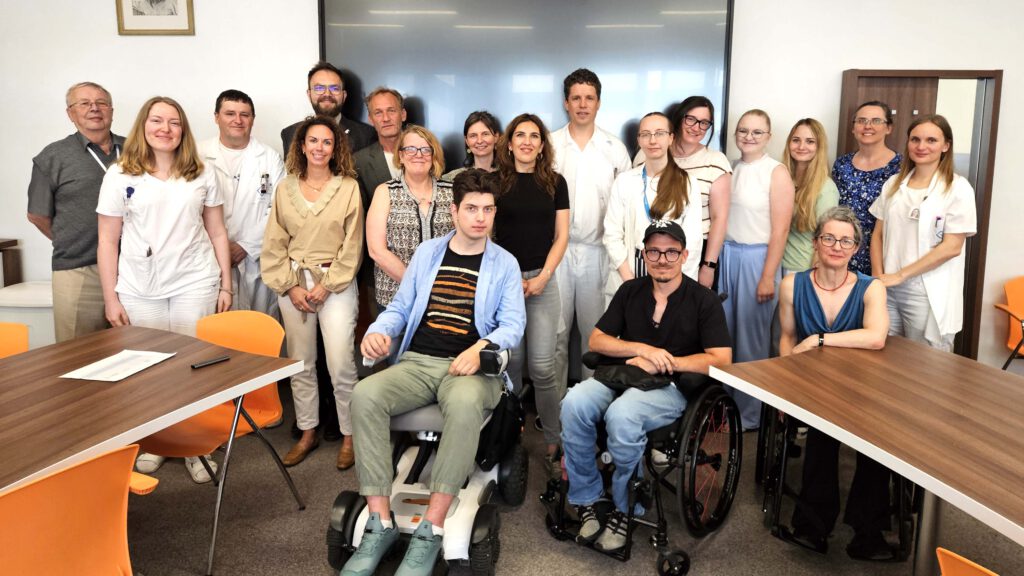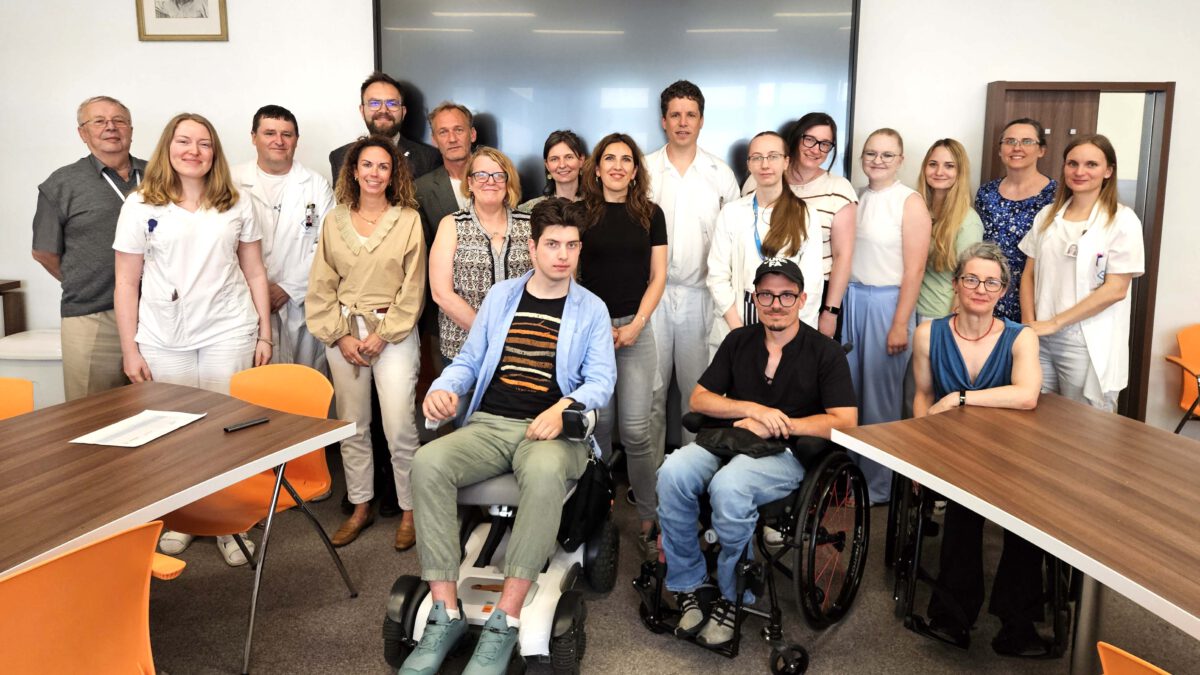
Like every year our ePAGs visit one of our expert centers to learn more about their work and how they organize care for patients with rare neurological diseases. This year, on 4 June 2026, seven of us — along with our project manager and communications manager — found ourselves in the beautiful city of Prague at Motol University Hospital. This visit was made possible through Julie Nováková Martínková, ERN-RND Disease Group coordinator for Frontotemporal Dementia (FTD) and clinician at Motol as well as Martin Vyhnalek, associate professor at Motol, who generously helped organize the exchange. What impressed us most was the excellent national awareness of this center: They educate neurologists across the country, enabling rapid expert consultation—within just two months. The pediatric and adult teams meet regularly, ensuring a smooth transition to adult care.
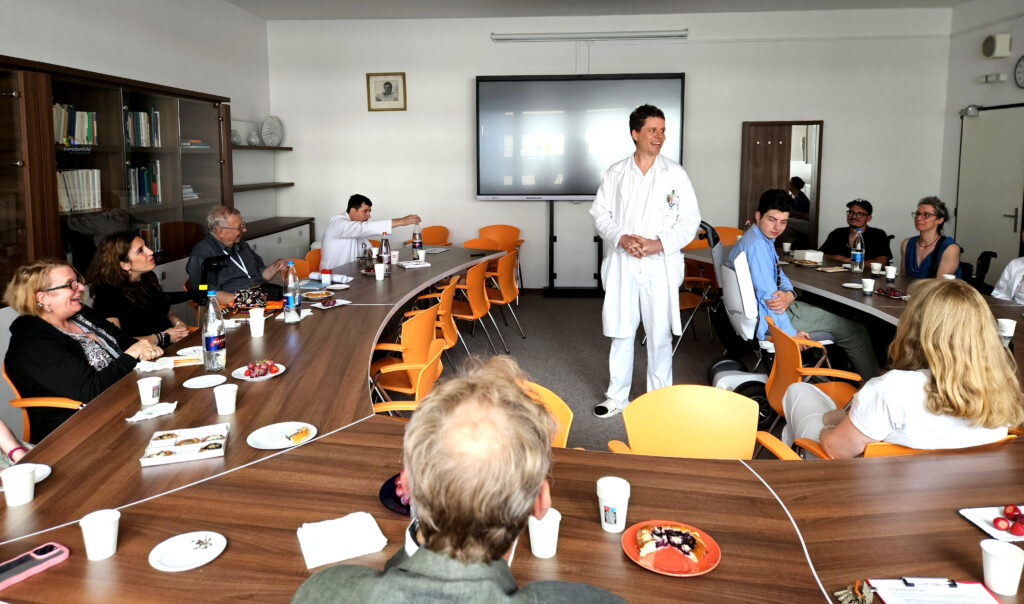
As patient representatives in ERN-RND, our main objective was to understand how ERN membership integrates into their clinical practice.
Motol is the only national reference center for ataxias and HSPs (Hereditary Spastic Paraplegias) in the Czech Republic, actively following more than 500 patients with these conditions. They also serve as one of three national expert centers for FTD. Notably, they have introduced a new Care Coordinator role that bridges the expert center with local facilities—a model that strengthens their reach and improves continuity of care.
The meeting began with a comprehensive presentation from the hospital team, followed by a tour of the laboratory and neurology department, where we learned about the diagnostic tools they use for early detection, enabling faster and more accurate diagnoses.
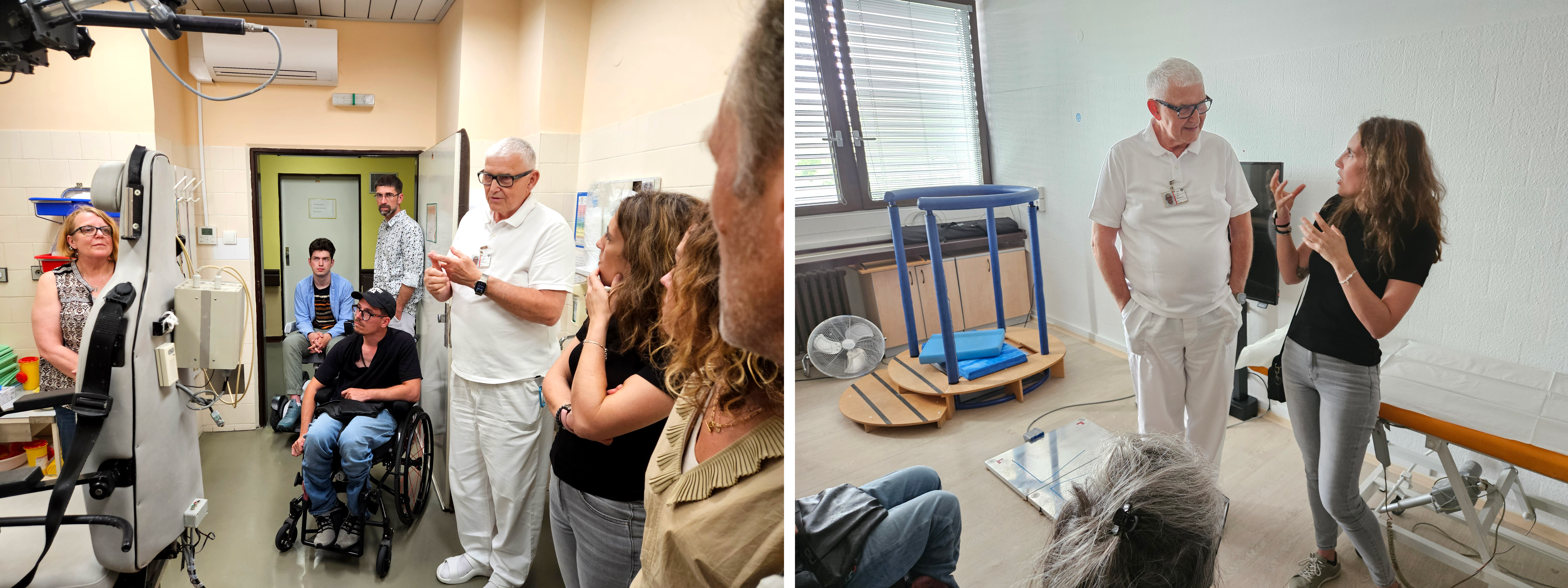
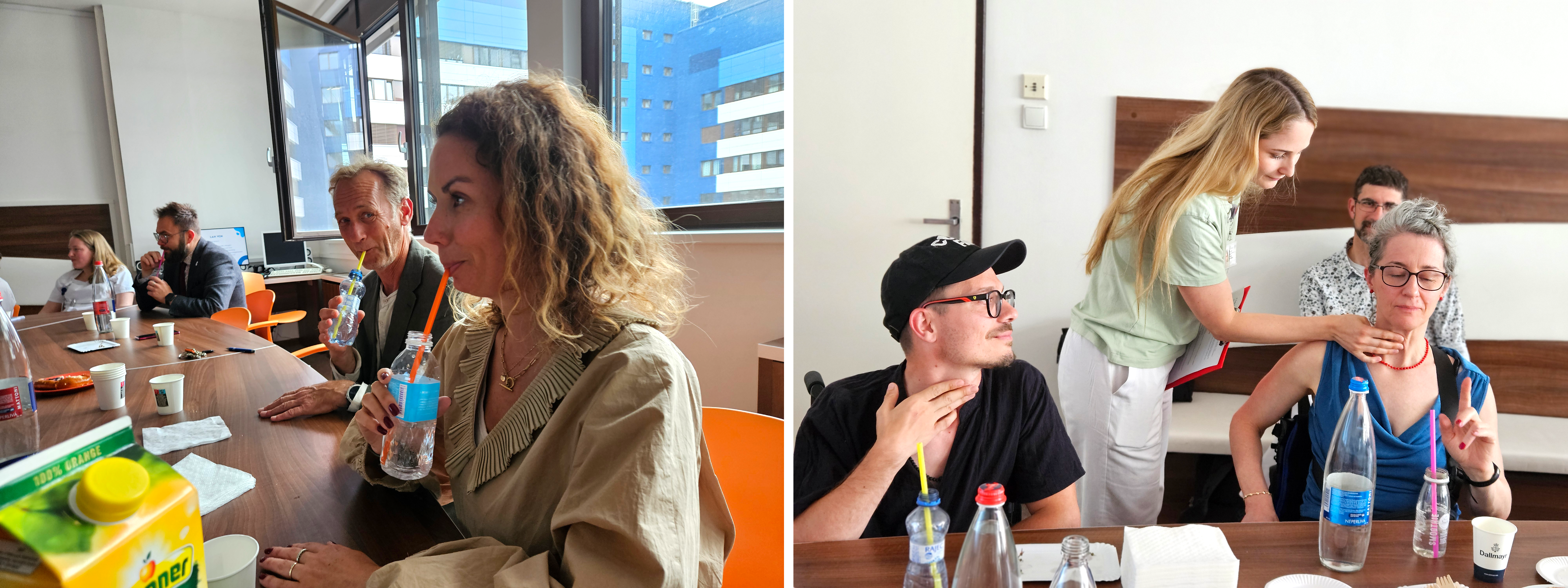
The most engaging and memorable part of our visit was an interactive session with the speech therapists, whose role in neurology is critical. They explained that their work extends far beyond speech to include non-verbal communication and dysphagia management. They demonstrated practical exercises used with patients, inviting us to participate. We blew bubbles to strengthen our vocal cords and practiced the Mendelsohn and Masako maneuvers—targeted swallowing exercises designed to strengthen throat muscles, improve coordination, and prevent aspiration. This hands-on experience gave us profound insight into the daily work of rehabilitation and the dedication required to support patients with these conditions.
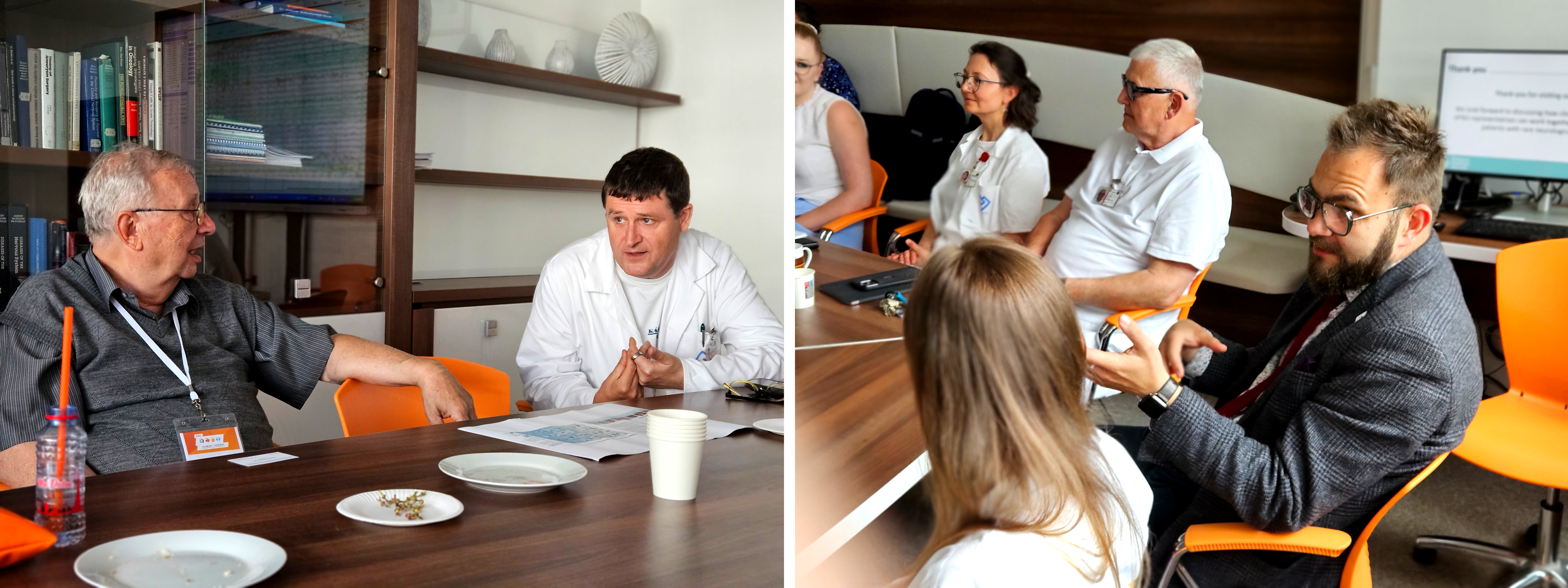
In attendance were hospital clinicians and two patient representatives: Tomáš Pick, representing ataxia patients, and Jakub Šunek, who is in the early stages of developing the first HSP patient organization in the Czech Republic. Their inclusion demonstrates this center’s genuine commitment to patient-centered care and collaborative decision-making—a sign that they truly care about and are invested in helping their patients.
Particularly exciting is the opportunity to continue working with Jakub. As an advisor to EuroHSP, I will be connecting him with the organization as he builds the Czech HSP patient community. This collaboration could significantly strengthen support for HSP patients in the region and represents the kind of international partnership that ERN membership enables.
The team identified important opportunities for improvement. A critical barrier emerged: lack of awareness among policymakers and healthcare systems about rare diseases and what specialized care they require. Without this foundational understanding, ERN expertise and the time-intensive consultations that save lives remain undervalued and underfunded. With sustainable support for ERN activities and better recognition of these complex consultations, they would be able to expand their team and hire additional coordinators and administrative staff.
Yet our dialogue confirmed what became clear throughout the visit: we share common goals. We work on the same challenges from different perspectives—challenges that ultimately require the attention of politicians and governmental departments. This visit reinforced that patient voices, clinical expertise, and policy advocacy must work together to create real change for people living with rare neurological diseases.
Lori Renna Linton (collaborative writing with the ePAGs)