Interested in Registries for Rare Neurological Diseases? Then join our Scientific Symposium on October 10 – online and free of charge! To register click here.
PROGRAMME
Session 1: Framework for RND Registries
TIME (CET)
TOPIC
SPEAKER
08:00
Welcome and overview of ERN-RND activities
Holm Graessner / Ludger Schöls / symposium chairs
08:05
—–KEYNOTE —- Why Registries Matter for Rare Neurological Diseases: from Natural History to Trial Readiness
Thomas Klockgether, German Centre for Neurodegenerative Diseases (DZNE), University Bonn, Germany
08:35
Framework for Multistakeholder Patient Registries in the Field of Rare Neurological Diseases
Nicole Wolf, Amsterdam UMC – Amsterdam University Medical Center, Netherlands
08:55
Patient Perspective: What should registries deliver for patients and families?
Mary Kearney, FARA Ireland
09:05
Flash talks (5 min max): ERN-RND local registry initiatives
09:20
Coffee Break
Session 2: Registry Examples in ERN-RND
TIME (CET)
TOPIC
SPEAKER
09:50
ERN-RND Use Case
Christina Vossler-Wolf, University Hospital Tübingen, Germany
10:05
TreatHSP Natural History and Outcome Validation Platform
Rebecca Schüle, University Hospital Heidelberg, Germany
10:25
The French MSA registry
David Bendetowicz, CHU – Reference Center for Rare Multiple System Atrophy, University Hospital Bordeaux, France
10:45
NKX2-1 registry: Building an International Disease Registry in a Very Rare Disorder
Dario Ortigoza, Sant Joan de Déu Hospital, Barcelona, Spain
11:05
Panel Discussion
11:30
Coffee Break
Session 3: Regulatory and Methodological Perspectives
TIME (CET)
TOPIC
SPEAKER
12:00
Registry Qualification and Regulatory Expectations for Rare Disease Evidence Generation
Kelly Plueschke, European Medicines Agency
12:25
Natural History Studies as Historical Control Data in Trials
We are proud to present the first UEMS approved medical training on Rare Neurological Diseases, which we’ve launched during this year’s EAN Congress on June 28: our ERN-RND Postgraduate Curriculum!
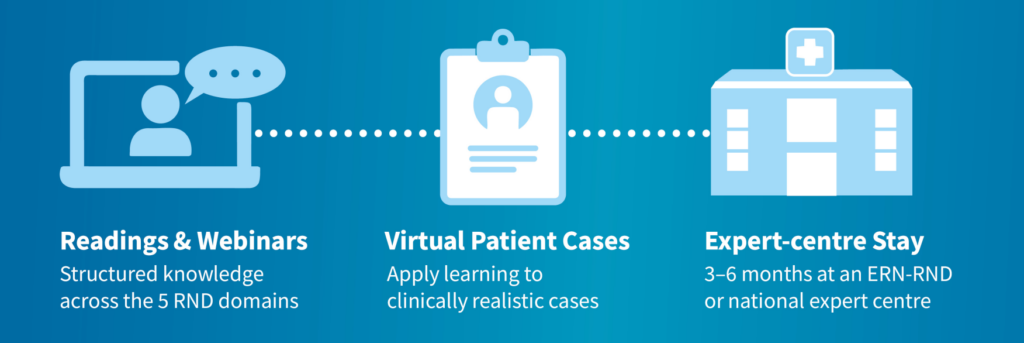
The curriculum is divided into three parts:
webinars and readings
virtual patient cases
and a stay in an expert-centre for hands-on-training
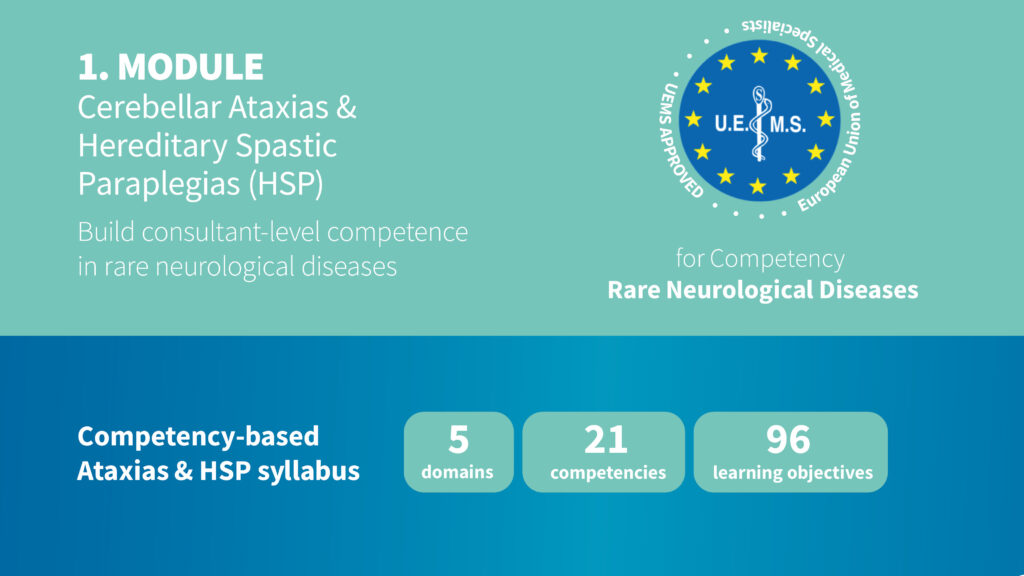
We are starting now with the first module on Ataxias and Hereditary Spastic Paraplegias with 33 webinars and 8 virtual patient casses – the other disease groups, like Huntington’s Disease, Leukodystrohpies or Dystonias will follow soon. The webinars and patient cases are hosted at eanCAMPUS.
The curriculum is free of charge and is made for medical doctors who have completed general professional training and are either in accredited specialist training or board-certified in Neurology, Child Neurology or related RND specialties such as Medical Genetics. After sucessful completion of all three parts trainees will receive a European certificate in the competency “Rare Neurolgical Diseases”(UEMS approved).
Our curriculum is designed to fit alongside specialist training or clinical employment.
To learn more about the curriculum and how to apply (till October 31) click here.
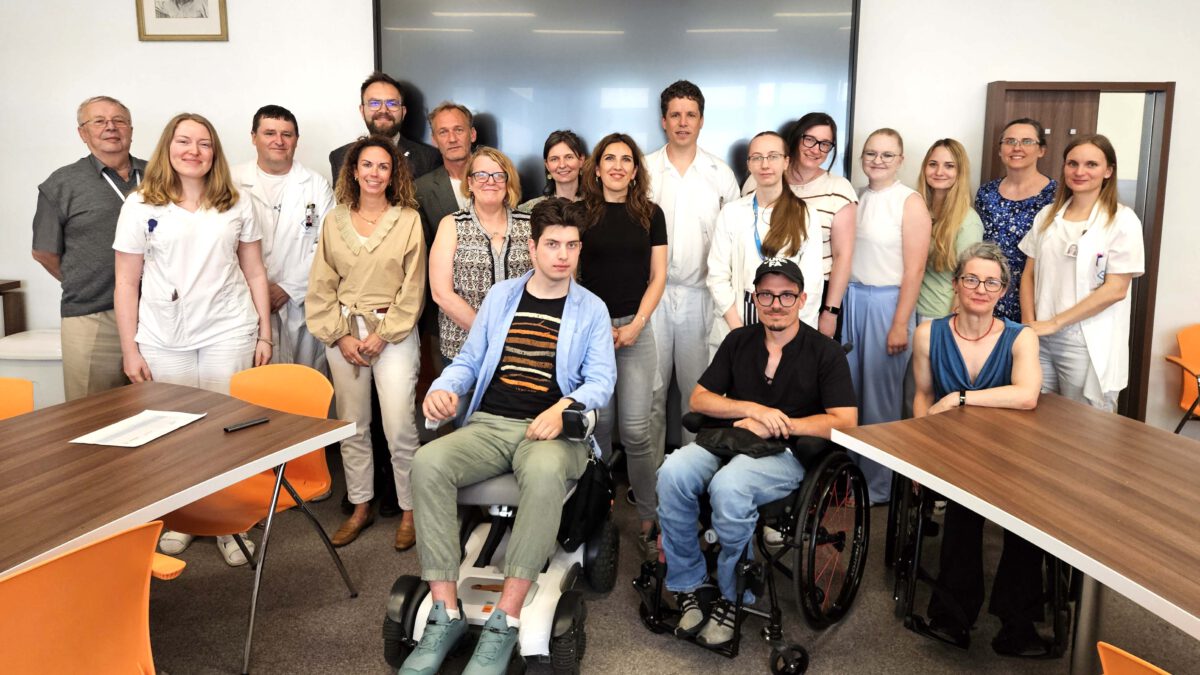
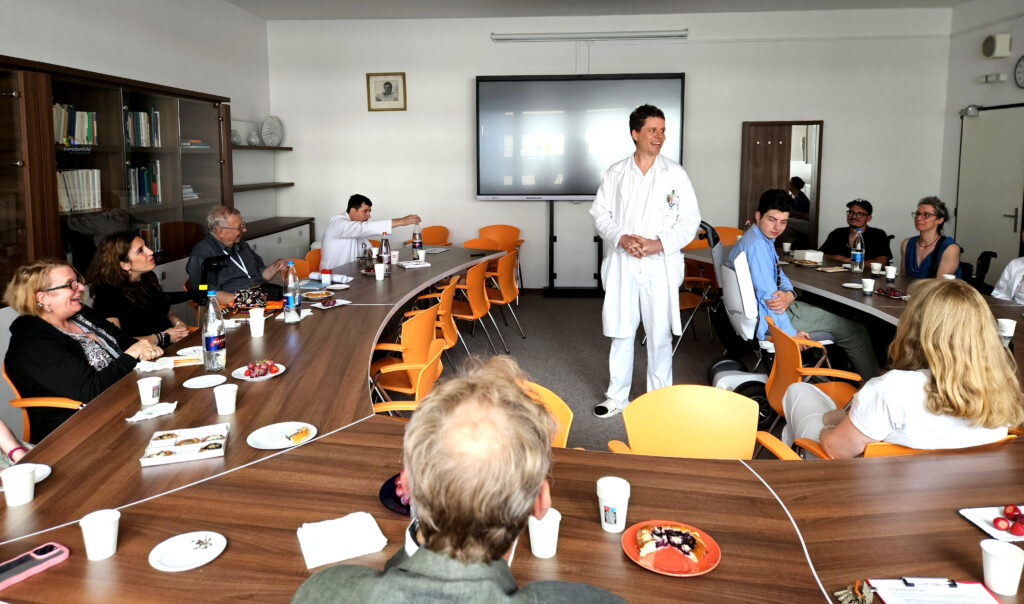
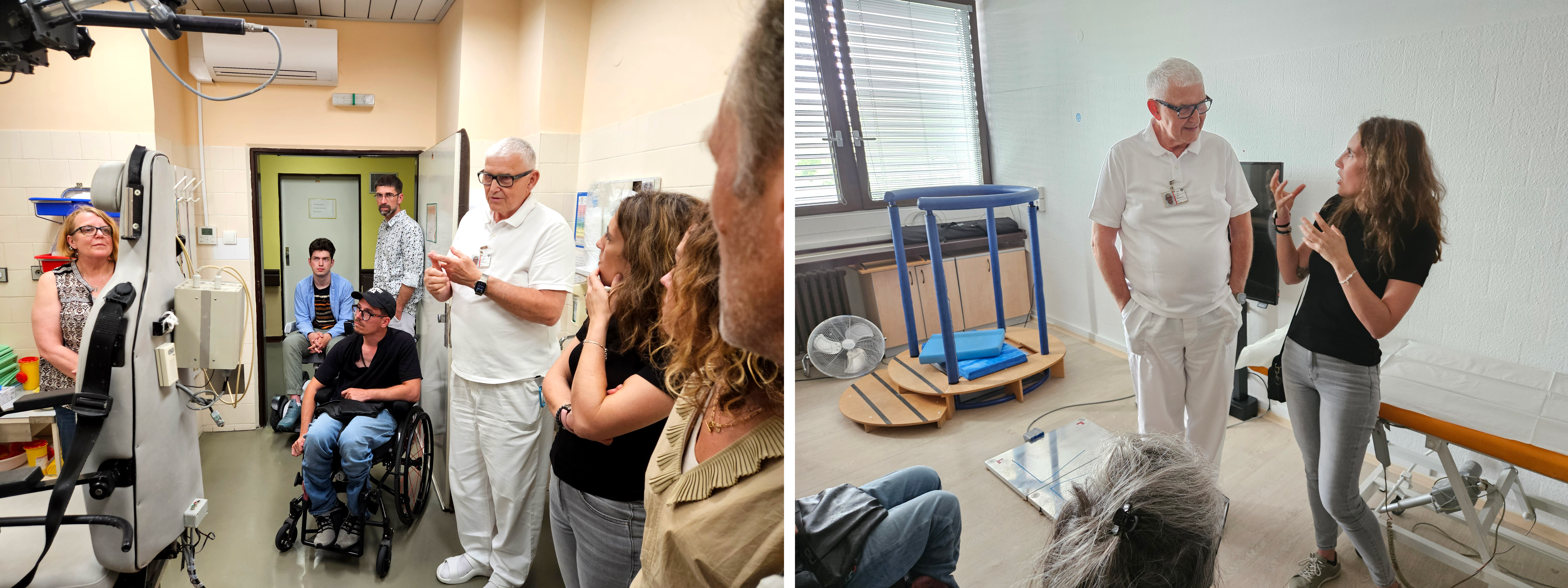
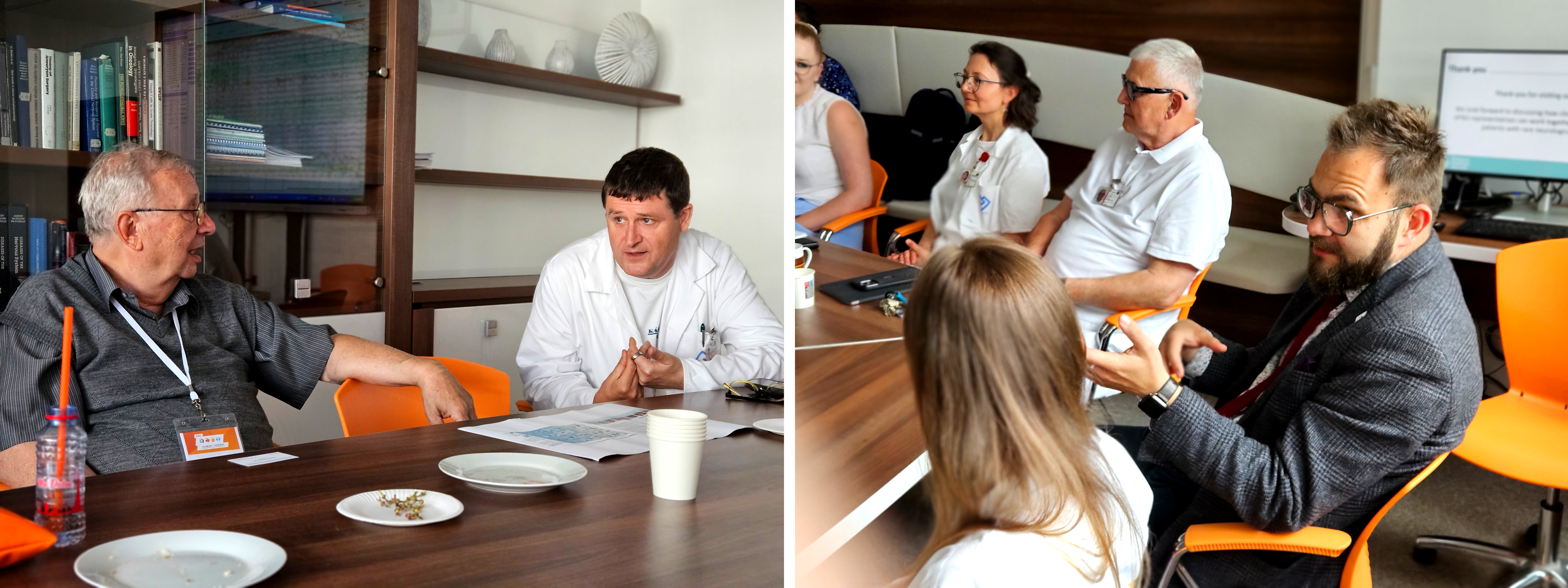
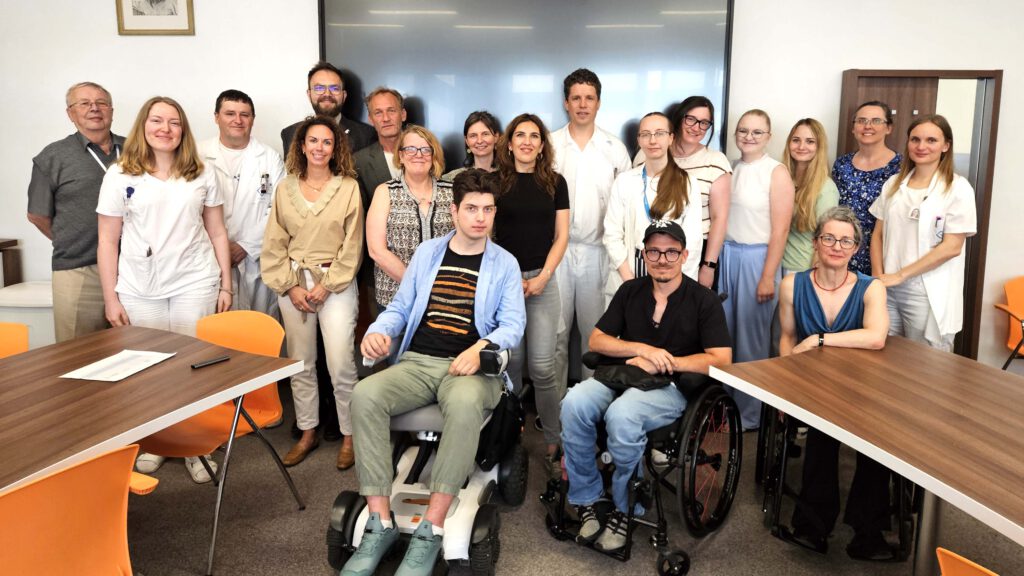
Like every year our ePAGs visit one of our expert centers to learn more about their work and how they organize care for patients with rare neurological diseases. This year, on 4 June 2026, seven of us — along with our project manager and communications manager — found ourselves in the beautiful city of Prague at Motol University Hospital. This visit was made possible through Julie Nováková Martínková, ERN-RND Disease Group coordinator for Frontotemporal Dementia (FTD) and clinician at Motol as well as Martin Vyhnalek, associate professor at Motol, who generously helped organize the exchange. What impressed us most was the excellent national awareness of this center: They educate neurologists across the country, enabling rapid expert consultation—within just two months. The pediatric and adult teams meet regularly, ensuring a smooth transition to adult care.
As patient representatives in ERN-RND, our main objective was to understand how ERN membership integrates into their clinical practice.
Motol is the only national reference center for ataxias and HSPs (Hereditary Spastic Paraplegias) in the Czech Republic, actively following more than 500 patients with these conditions. They also serve as one of three national expert centers for FTD. Notably, they have introduced a new Care Coordinator role that bridges the expert center with local facilities—a model that strengthens their reach and improves continuity of care.
The meeting began with a comprehensive presentation from the hospital team, followed by a tour of the laboratory and neurology department, where we learned about the diagnostic tools they use for early detection, enabling faster and more accurate diagnoses.
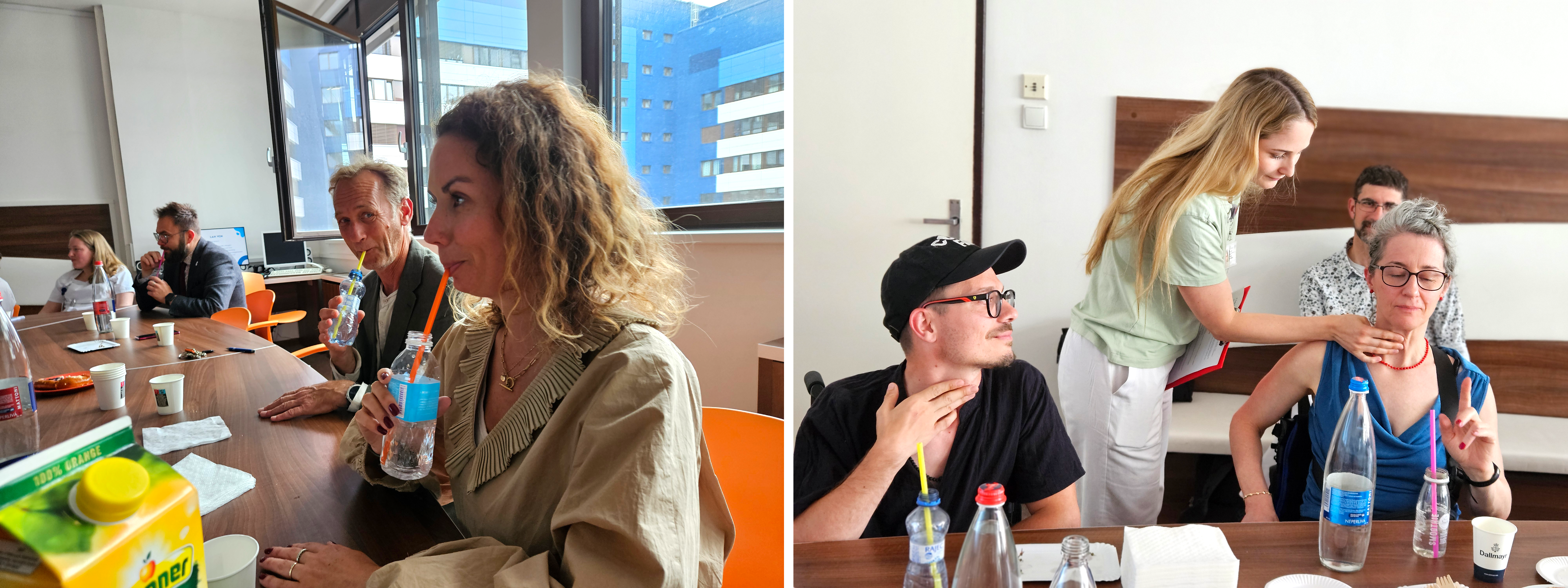
The most engaging and memorable part of our visit was an interactive session with the speech therapists, whose role in neurology is critical. They explained that their work extends far beyond speech to include non-verbal communication and dysphagia management. They demonstrated practical exercises used with patients, inviting us to participate. We blew bubbles to strengthen our vocal cords and practiced the Mendelsohn and Masako maneuvers—targeted swallowing exercises designed to strengthen throat muscles, improve coordination, and prevent aspiration. This hands-on experience gave us profound insight into the daily work of rehabilitation and the dedication required to support patients with these conditions.
In attendance were hospital clinicians and two patient representatives: Tomáš Pick, representing ataxia patients, and Jakub Šunek, who is in the early stages of developing the first HSP patient organization in the Czech Republic. Their inclusion demonstrates this center’s genuine commitment to patient-centered care and collaborative decision-making—a sign that they truly care about and are invested in helping their patients.
Particularly exciting is the opportunity to continue working with Jakub. As an advisor to EuroHSP, I will be connecting him with the organization as he builds the Czech HSP patient community. This collaboration could significantly strengthen support for HSP patients in the region and represents the kind of international partnership that ERN membership enables.
The team identified important opportunities for improvement. A critical barrier emerged: lack of awareness among policymakers and healthcare systems about rare diseases and what specialized care they require. Without this foundational understanding, ERN expertise and the time-intensive consultations that save lives remain undervalued and underfunded. With sustainable support for ERN activities and better recognition of these complex consultations, they would be able to expand their team and hire additional coordinators and administrative staff.
Yet our dialogue confirmed what became clear throughout the visit: we share common goals. We work on the same challenges from different perspectives—challenges that ultimately require the attention of politicians and governmental departments. This visit reinforced that patient voices, clinical expertise, and policy advocacy must work together to create real change for people living with rare neurological diseases.
Lori Renna Linton (collaborative writing with the ePAGs)
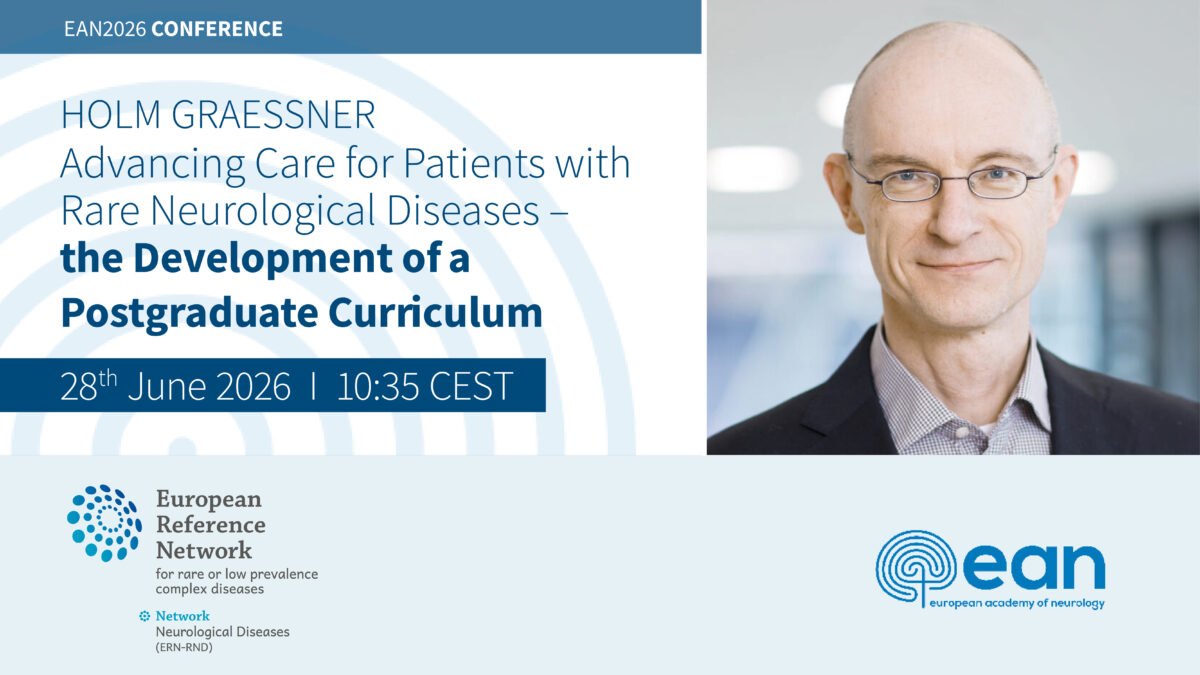
Our coordinator Holm Graessner will introduce our new Postgraduate Curriculum at this year’s EAN Congress. Don’t miss it and join us on Sunday, June 28 at 10:35 CEST (Scientific Theatre)!
Holm Graessner: Advancing Care for Patients with Rare Neurological Diseases – the Development of a Postgraduate Curriculum
The European Reference Network (ERN) flagship manuscript has just been published in the Orphanet Journal for Rare Disease. The manuscript provides an overview of what ERNs are, what they deliver and what they aim to become.
Short summary Although each rare and complex disease affects relatively few people, together they impact an estimated 27–36 million people in the European Union. To address this major public health challenge, the EU established the European Reference Networks (ERNs) in 2017. ERNs connect expert centres across borders to improve and harmonise diagnosis and care for patients with rare and complex diseases. Today, 24 ERNs link 1,606 expert centres in 375 hospitals across all EU Member States and Norway. Their work includes multidisciplinary case discussions, education, guideline development, and patient-centred governance. More than 4,900 highly complex cases have been reviewed without requiring patients to travel abroad, supported by the European Commission’s secure Clinical Patient Management System 2.0. ERNs also proved resilient during the COVID-19 pandemic and the war in Ukraine. A 2023 evaluation found that over 95% of member centres met quality standards. The Joint Action JARDIN (2024–2027) now seeks to embed ERNs into national health systems to ensure sustainable and equitable access to high-quality rare disease care.
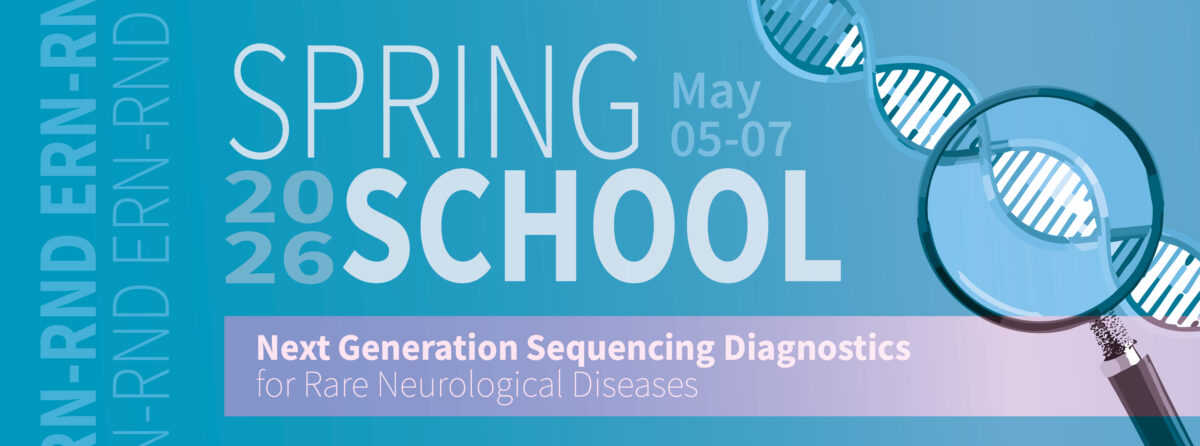
The registration for our Spring School “Next Generation Sequencing Diagnostics for Rare Neurological Diseases” taking place on May 5–7 is now open. The event will be held online, and participation is free of charge.
During this Spring School, participants will gain insights into:
NGS Technologies
Quality Assurance, Recommendations, and Case Presentations
Clinical Applications of NGS
Toregister click here. To see theprogramme click here.
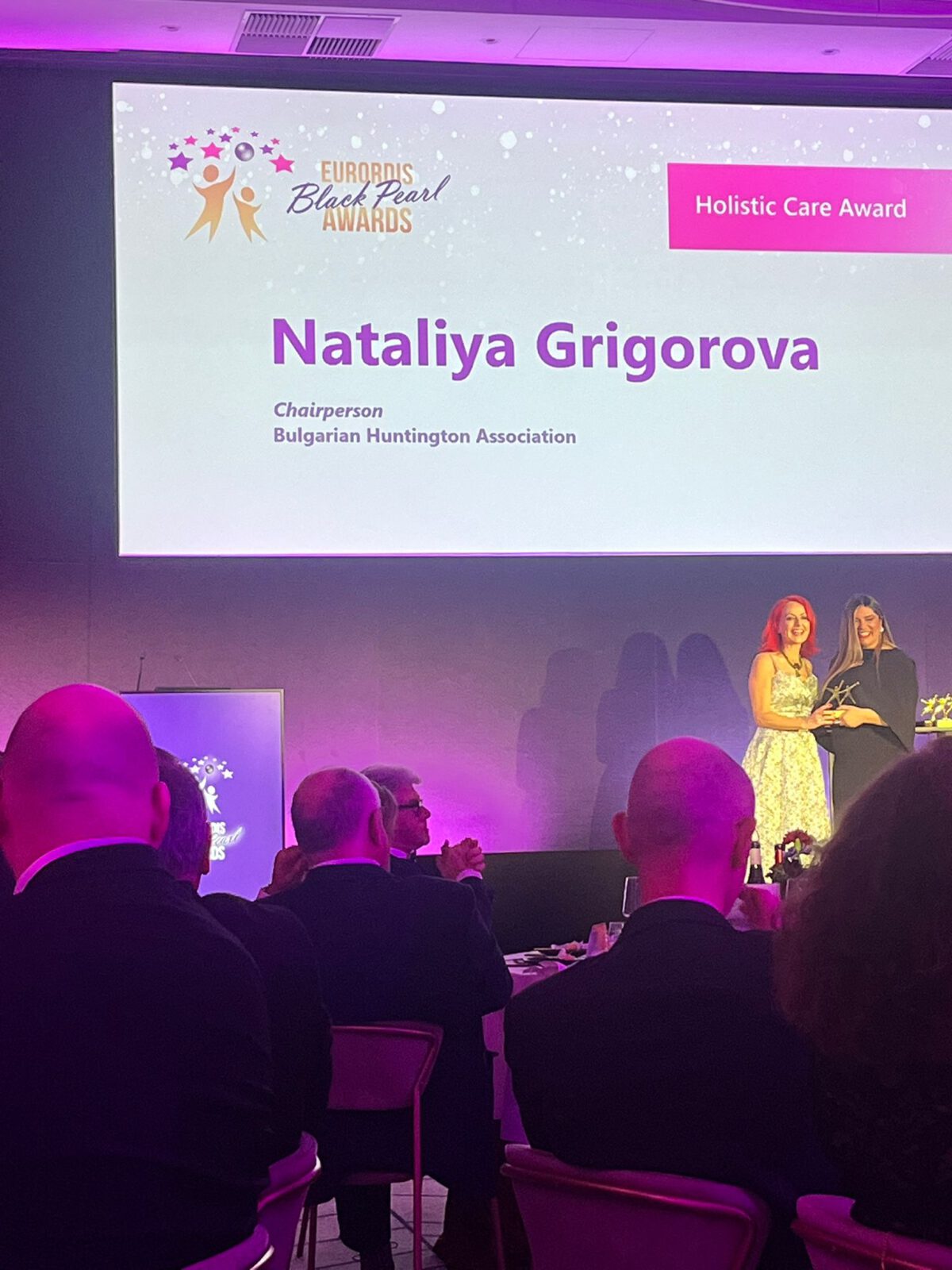
Our ePAG Nataliya Grigorova received the Holistic Care Award for her work in the Bulgarian Huntington Association – Congratulations, and keep up the good work!
Last December’s High Level Meeting on a European Innovation and Care Ecosystem for Rare and Complex Diseases brought together policymakers, researchers, healthcare professionals, industry and the patient advocacy to help shape the future of rare disease policy in Europe.
This collective effort culminated in the Declaration on the EU Innovation and Care Ecosystem for Rare and Complex Diseases—a bold commitment to building a sustainable research and innovation ecosystem, supported by dedicated funding.
We, alongside many other European Reference Networks, have signed this Declaration and will actively work towards advancing its goals within our remit.
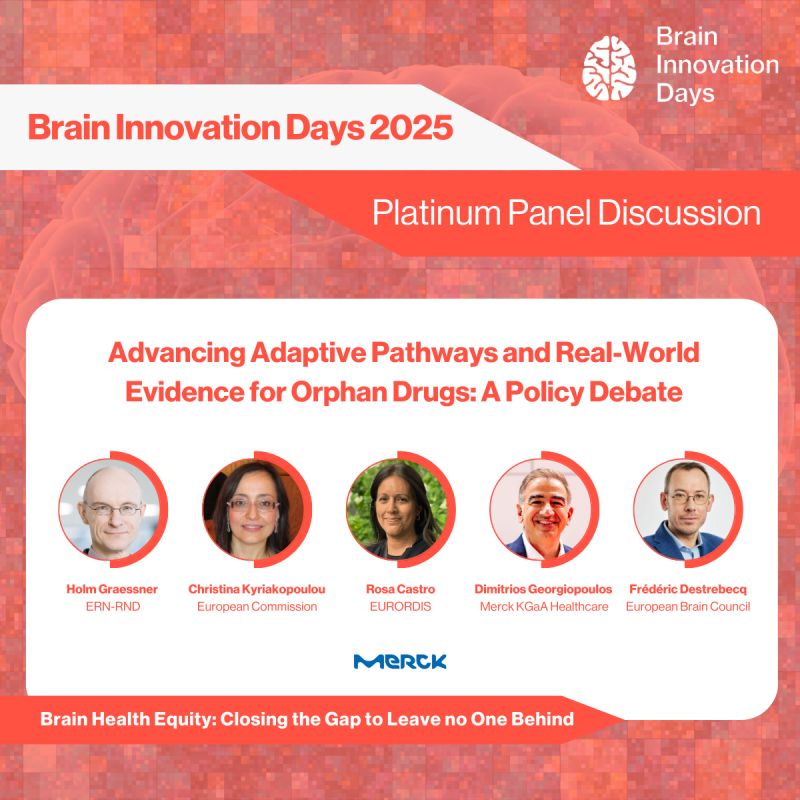
Our coordinator Holm Graessner is participating in the Brain Innovation Days’ Platinum Panel “Advancing Adaptive Pathways and Real-World Evidence for Orphan Drugs” on October 15th, 11:55 CEST.
This session will explore how adaptive pathways and Real-World Evidence (RWE), including patient-experienced data, can be more effectively integrated into policy frameworks to improve access to innovative treatments for rare brain disorders. With patients often facing long delays and limited options, there is a growing need to rethink how we evaluate and approve therapies. In partnership with Merck KGaA Healthcare, this session will bring together stakeholders from across the healthcare ecosystem and aims to identify collaborative, patient-centred policy solutions that accelerate access while ensuring long-term sustainability and equity.
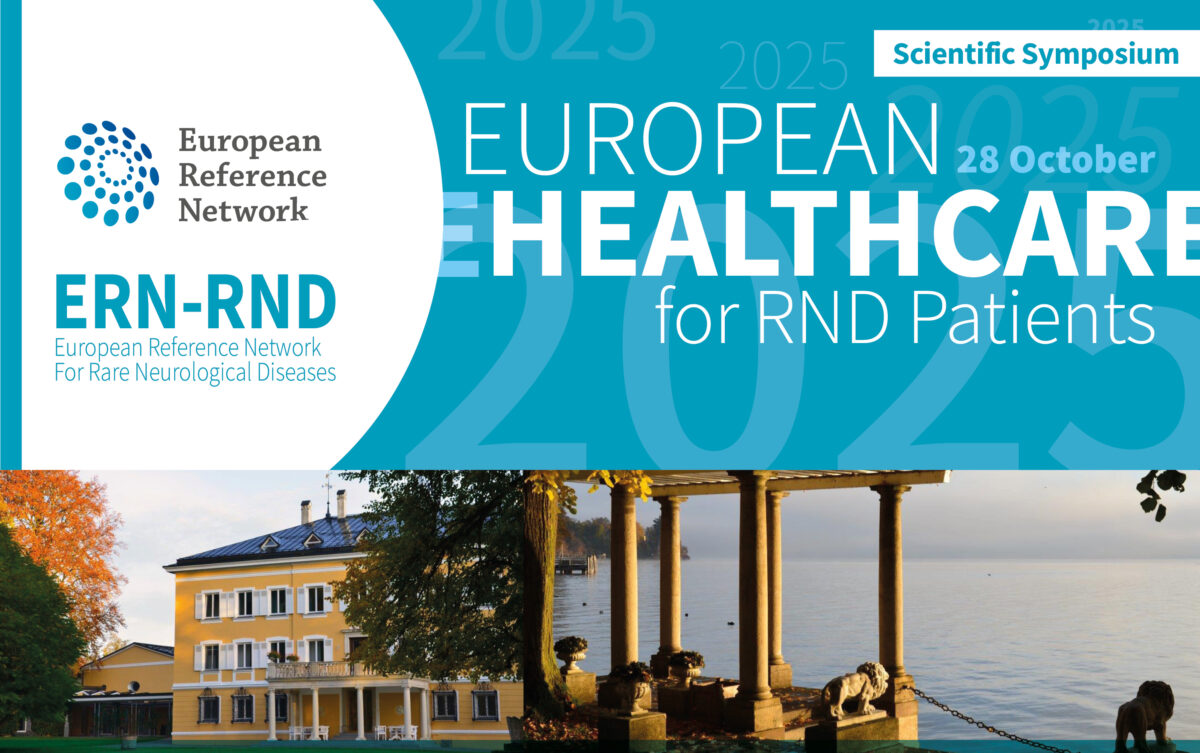
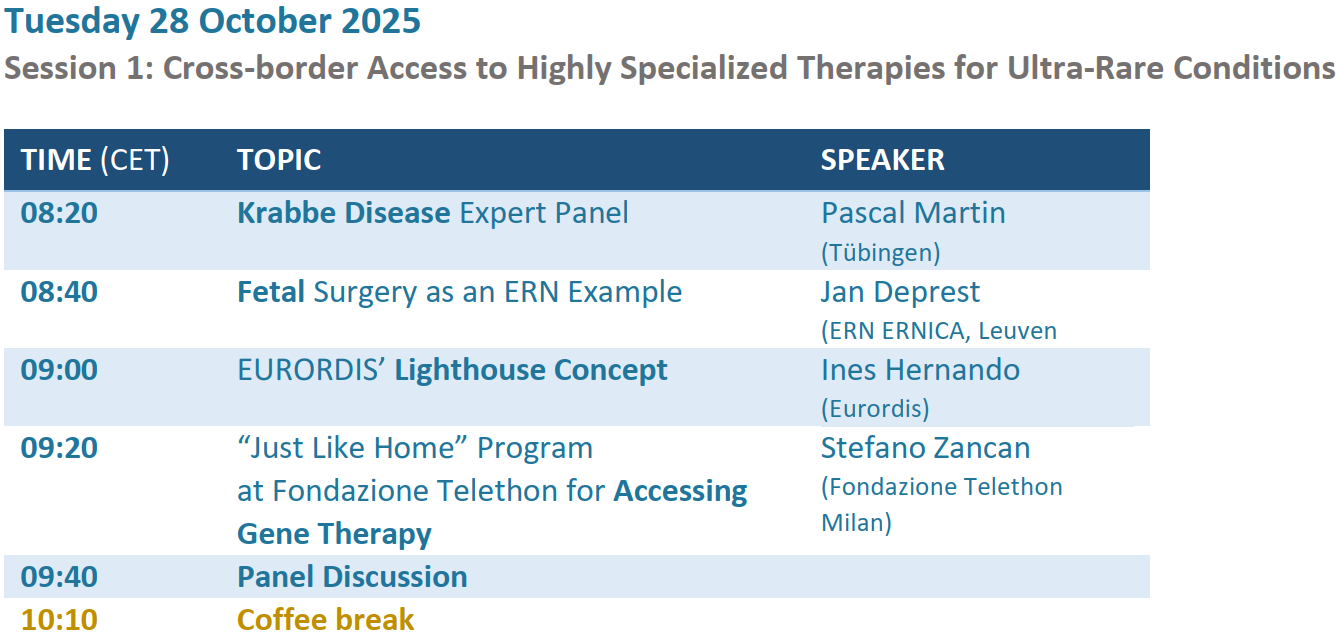
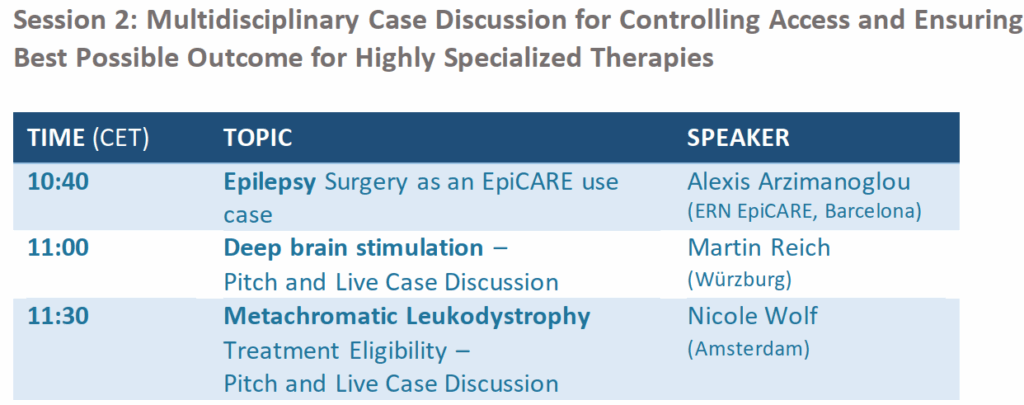
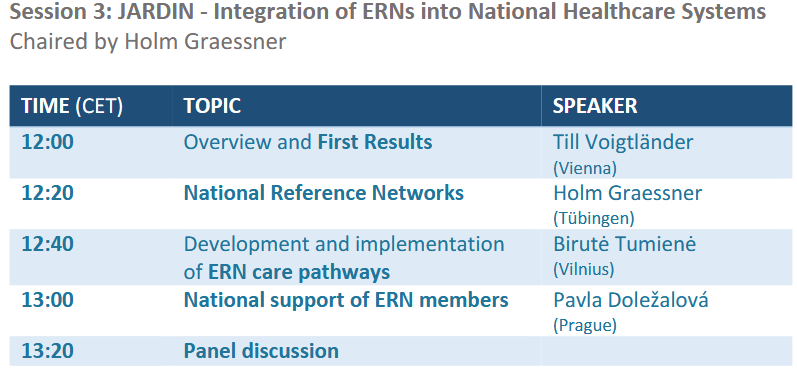
ERN-RND is organising a Scientific Symposium on “European Healthcare for RND Patients” on October 28, which will be held online – participation is free.
Find the programme with abstracts of the talks here.
Are you at this year’s EAN Congress in Helsinki? Then come and visit us at our booth (N21) in the Neurohood and have a coffee with us – the ERNs EURO-NMD, epiCARE and EFNA, the European umbrella organisation of neurological patient advocacy groups, will also be there!
What is the use of Patient Registries? And how does data sharing in the ERNs work? Our coordinator Holm Graessner will give an insight on this at the EESC Conference “Towards an EU Action Plan on Rare Diseases” on April 10, 16:30 CEST.
And our patient advocate Lori Renna Linton will talk about Patient Journeys and how to develop one, at 12:00 CEST.
You can now register for online participation here. Find the programme here.
Find the recordingshere. Holm Graessner’s talk starts at 7:46:00, Lori Renna Linton’s talk at 2:35:00.
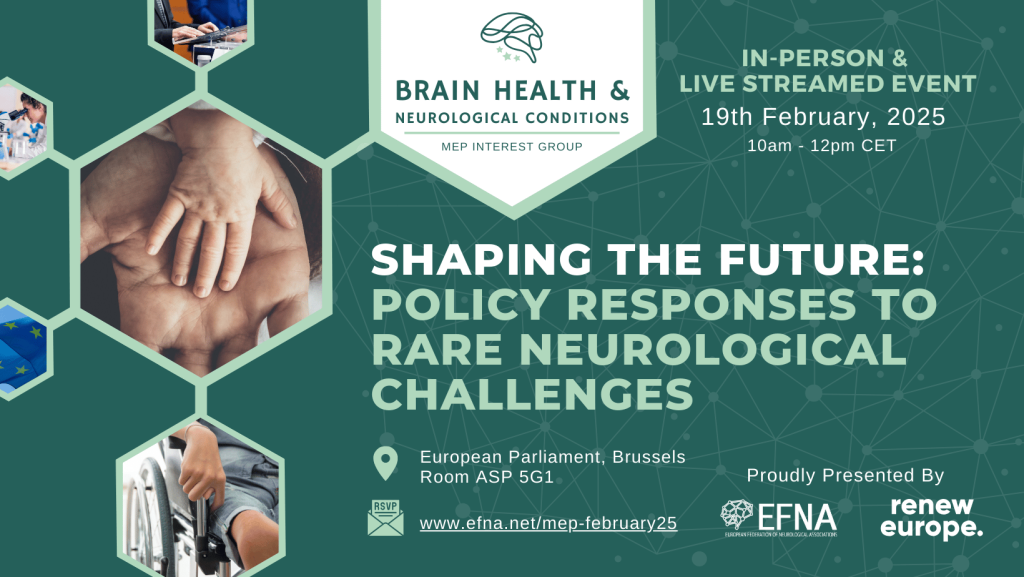
Rare Disease Day is coming up! Join us for shaping the future on policy for Rare Neurological Diseases on February 19, 10-12 CET. Join the meeting with the MEP Interest Group Brain Helath & Neurological Conditions together with our coordinator Holm Graessner as panelist.
Big thanks to the European Federation of Neurological Associations (EFNA) for this invitation! To participate on-site or online please register till February 5: https://www.efna.net/mep-february25/
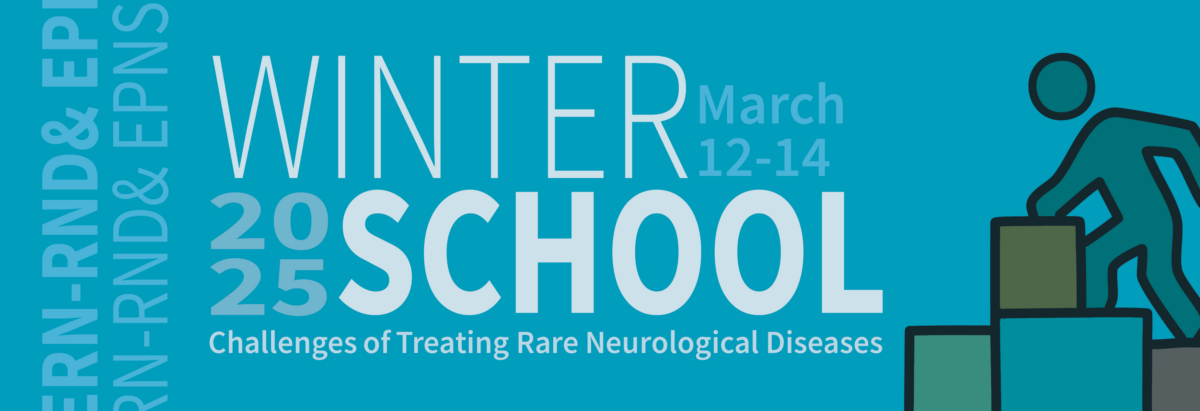
The European Pediatric Neurology Society (EPNS) and the European Reference Network for Rare Neurological Diseases (ERN-RND) are organizing a Winter School on Challenges of Treating Rare Neurological Diseases.
The school will take place virtually, from 12th to 14th March 2025.
Day 1 Disease Modifying Therapies Day 2 Movement Disorders Day 3 Co-morbidities and Cases
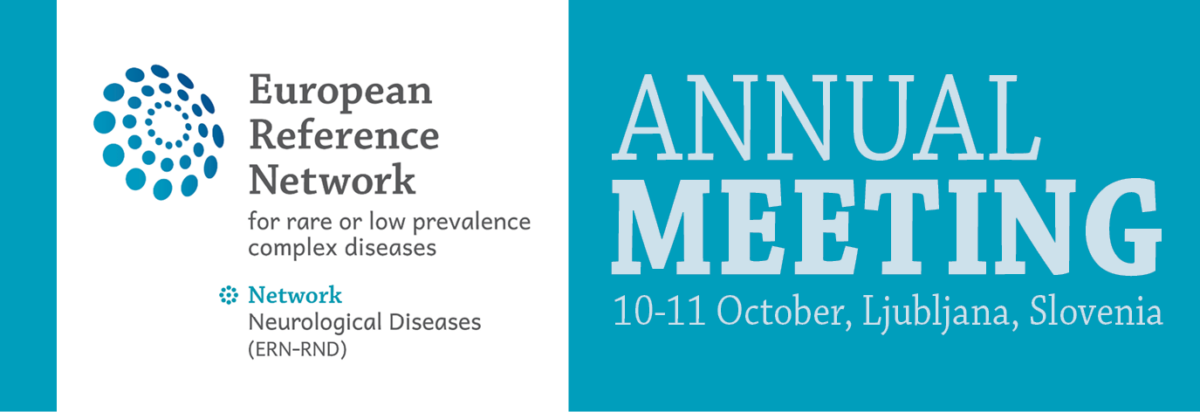
We are happy to announce that the ERN-RND Annual Meeting 2024 will be held in Ljubljana, Slovenia, on 10-11 October 2024. We expect one representative of each HCP to be present in Ljubljana. Additionally, online participation will be open to as many colleagues from ERN-RND as possible.
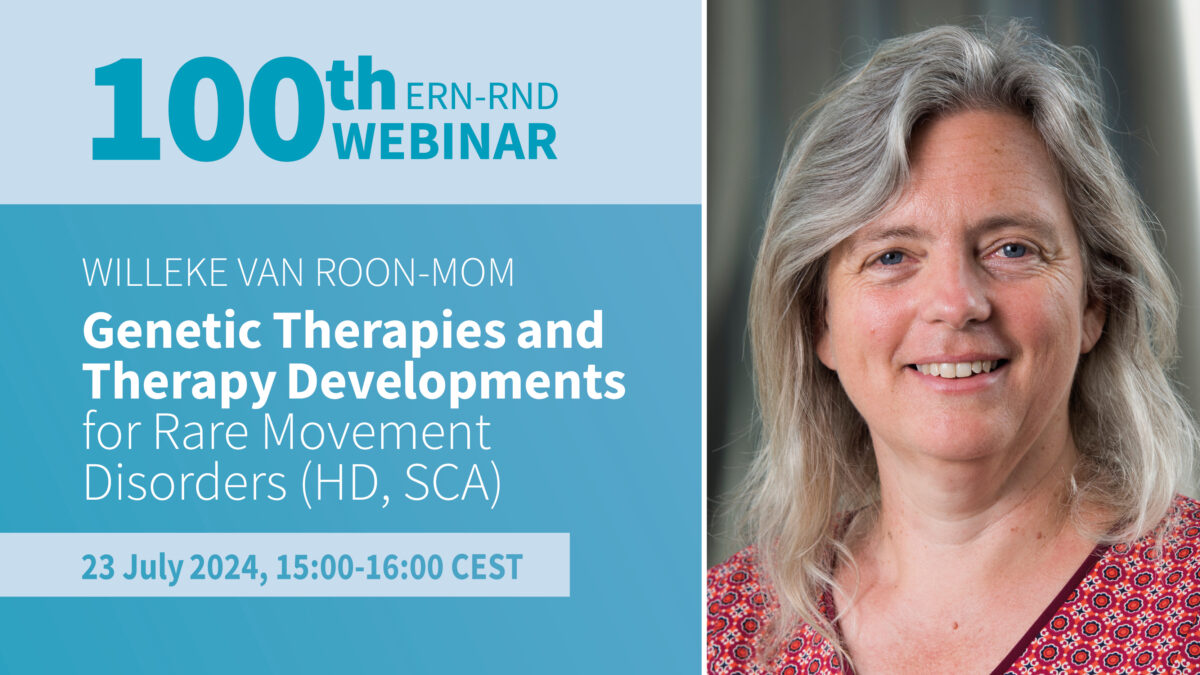
We are happy to announce that our 100th webinar on rare neurological diseases will be held tomorrow at 15 CEST and you can still register!
Willeke van Roon-Mom will be talking about “Genetic therapies and therapy developments for rare movement disorders”. Don’t miss it – registration is free!
We are looking forward to meeting you at this year’s EAN Congress: come and visit us at our booth N27 and don’t miss our Scientific Theatre on Dystonia and Huntington’s Disease on July 1st at 16:25 EEST (Neurohood Hall).
Join also our (N)Euro-Café or take a picture at our photo booth “Shine Light on the Invisible” (N28) – our common activities with EFNA and the ERNs epiCARE and EURO-NMD.
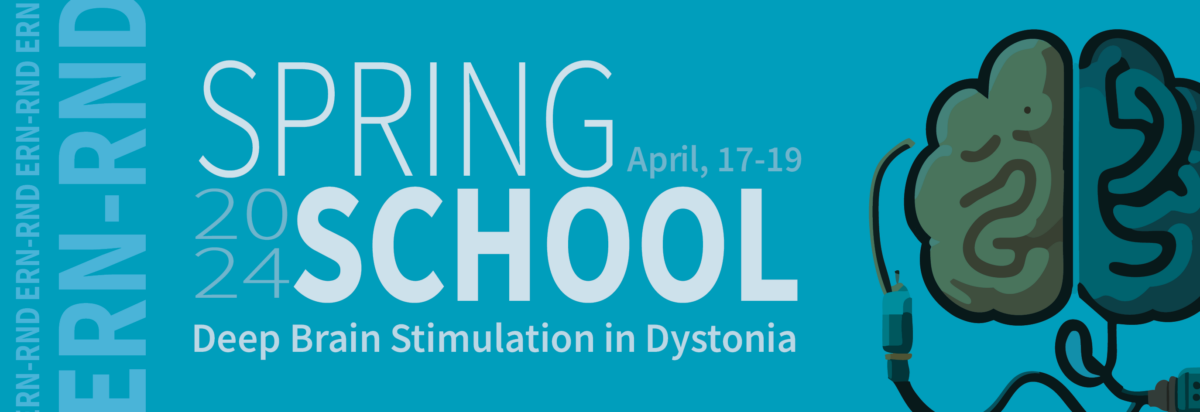
Our 5th Winter School will be a Spring School this year and will focus on Deep Brain Stimulation in Dystonia. It will be held online from April 17 to 19, 2024.
The registration is not open yet, but you can already have a peek at the Preliminary Programme:
17 April 2024 I Indications and Diagnosis
Isolated Dystonia (inherited, idiopathic)
Infancy Dystonia
Combined Dystonia
Botulinum toxin: opportunities & limitations
Drug therapy and neurorehabilitation: opportunities & limitations
18 April 2024 I How to do DBS/ Neurosurgery
Neurosurgery aspects of DBS in Dystonia (including alternative targets (STN, VOA, VIM))
Specific aspects of DBS in paediatric Dystonia
MER and LFP-signals for implantation and programming in Dystonia patients
Neuroimaging for implantation and programming in Dystonia patients
The ERN-RND cordially invites coordinators and project managers of all ERNs to join our annual ERN coordinators and project managers meeting 2023. The meeting takes place in Bilbao (Spain) on 09 and 10 October 2023, right before the EESC Conference 2023.
Accommodation and travel costs are not covered by the ERN-RND and have to be covered by each ERN. For accomodation recommendations please check the EESC accommodation flyer.
You will have the possibility to meet your colleagues face-to-face. The meeting enables you to discuss present achievements and future work of the ERNs as well as to share experience. You‘ll also have the chance to get support with specific needs and challenges within your ERN.
Overarching Theme Budapest 2023: Neurology beyond the Big Data
The amount of data available in neurology, neuroscience, neurobiology and related disciplines is rising exponentially and our ability to analyse and utilise those data is becoming ever more sophisticated. This will be the topic of the overarching theme of the European Academy’s 2023 annual congress, ‘Neurology Beyond Big Data’, where concepts, recent advances, opportunities and challenges will be discussed.
Data available range from routinely collected clinical data and population health data, through genomics and other omics and to clinical diagnostics (i.e. MRI and neurophysiology). Linkage of diverse datasets and use of novel methods of analysis, including use of artificial intelligence, are giving us new insights into the how the nervous system actually works and the biological basis of neurological diseases. It is also informing the development of new diagnostic technologies, new treatments and how to and in whom to use current and new treatments (personalised treatment) as well as public health interventions.
These advances also pose a number of challenges, for example public concern about use of data and the proportionality of data protection legislation, which on the one hand protects individual’s privacy rights but might also impede advancements that might improve their health, whilst there are also other ethical concerns to consider, for example around genomics. There are also risks that the substantial health inequalities across Europe will be widened if access to the new technologies and other advancements are available mainly to wealthy, highlighting the need for intelligent and progressive policies. All this and more will be discussed at the EAN’s 2023 congress in Budapest.
Concept Advances in gene therapies are completely changing the possibilities we used to have to deal with devastating rare neurological disorders and dramatically changing our expectations regarding outcomes in these patients. More than 50 gene therapies could be in the clinical ground in the next 10 years, but there are still lots of uncertainties and challenges we need to cope with.
Aim The aim of this course is to discuss known barriers, challenges, and uncertainties in gene replacement therapies including the vision of different stakeholders (basic researchers, clinicians, patients, regulators, payers, and industry. We split the course into two days in which we deal with different bottlenecks. On the first day, we will review the state of the art in therapy development and problems of the current viral carriers, and possible solutions. On the second day, we will discuss the problems related to clinical implementation and safety.
SAVE THE DATE/Abstracts welcome: EPNS Congress 20-24 June 2023 Congress Center Prague
Welcome to the 15th Congress of the European Paediatric Neurology Society (EPNS) with the main highlight “From genome and connectome to cure”. We invite you to see how the latest trends in understanding pathophysiology of neurological diseases are being implemented in clinical practice. Our field has traditionally focused on precise diagnostics; however, curative treatments were unavailable for a long time. Today, this trend is changing rapidly and novel therapeutic options in our field have brought hope to many families of children even with the most severe neurological conditions. Learn more and SUBMIT your ABSTRACT (closes 31 December 2022): https://epns-congress.com/
The third edition of the GNAO1 European Conference, 16-17 June, Rome, Italy
Two days entirely dedicated to the ultra-rare disease caused by the GNAO1 gene mutation. An event open to clinicians, researchers, rehabilitation experts, families and everyone interested in this genetic disease.
In the tradition of this meeting, the intent is to encourage the participation of diverse professional groups, from clinicians to clinical scientists, neuroscientists, and basic scientists.
Considering that there is likely to be an acceleration in the field of mitochondrial medicine in the next two years, leading to the availability of new technologies as well as new therapeutic approaches and possibly clinical trials, such contributions will be presented and explained in the scientific sessions.
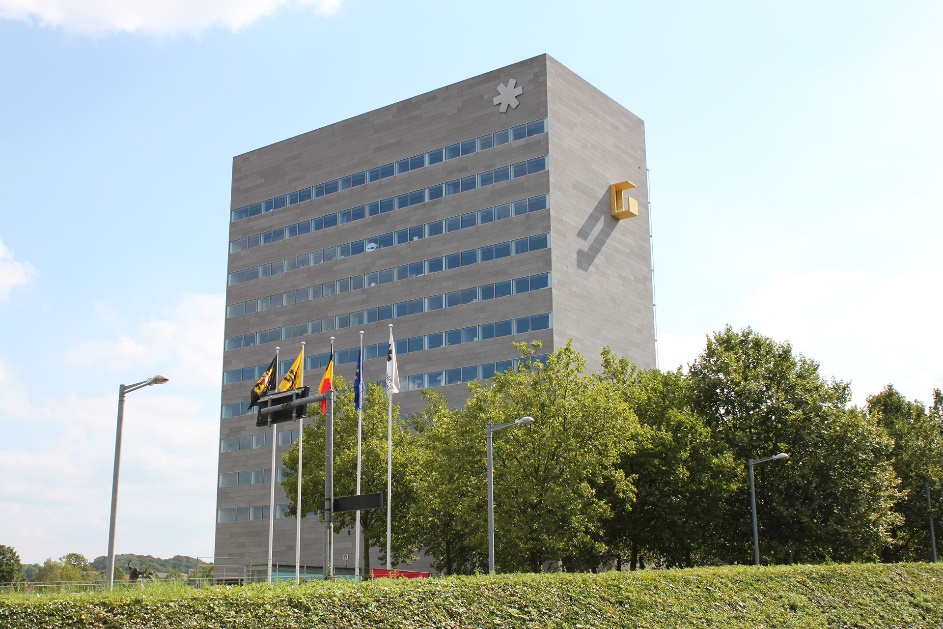
We are happy to announce that this year’s ERN-RND annual meeting – CARE-RND23 – will be a 2-day event, scheduled on 19th and 20th September 2023 in Leuven, Belgium.
This year’s meeting will be a hybrid meeting. We expect that one representative of each HCP will be in Leuven. Additionally, we will open the online participation to as many colleagues from ERN-RND as possible. The non-internal parts of the meeting will also be opened to external participants.
For online participation, the Zoom links will be sent by email to the members for the internal part of the meeting.
Program of day 1 (open to the public):
1:00 CET
Welcome and overview of ERN-RND, by Holm Graessner, University Hospital Tübingen
11:30 CET
The VALOR-Trial – a breakthrough for SOD related ALS, by Albert Ludolph, University Hospital Ulm
12:00 CET
Patient journeys, by the Monika Benson (Dystonia Europe) and John Gerbild (Denmark Association for ataxia and HSP)
14:30 CET
Genetic diagnosis and technological advancements, by Alex Hoischen, Radboud University Medical Centre, Nijmegen
15:00 CET
External Quality Assessment for Next-Generation Sequencing Testing in RND, by Ales Maver, University Medical Centre Ljubljana
15:30 CET
Genetic strategies of the future, using the example of the Deep Intronic FGF14 GAA Repeat Expansion in Late-Onset Cerebellar Ataxia, by Stephan Zuchner, Miller School of Medicine, Miami
17:00 CET
DBS in dystonia, by Sylvia Boesch, Medical University Innsbruck
17:30 CET
Current practices regarding HSCT in metachromatic leukodystrophy in Europe and treatment eligibility panels, byNicole Wolf, Amsterdam UMC
17:50 CET
Ups and downs of therapy development in HD, by Bernhard Landwehrmeyer, University Hospital Ulm
18:10 CET
ERN-RND Registry, by Ludger Schöls, University Hospital Tübingen
On Tuesday evening starting at 19:30: Brasserie ‘t Oud Gasthuys (Brusselsestraat 63B, 3000 Leuven)
Travel
You have to arrange your own travel.
By train: to Leuven train station (2 min-walk to the venue) By plane: to Brussels airport (BRU) and then a train from the airport to Leuven By car: there is an underground parking at the venue. If you wish to use it, please contact
Travel fees will be reimbursed after the meeting according to the unit costs set by the European Commission (the exact costs can be calculated here). Please send your reimbursement form (link to the form attached) to PRIOR to the meeting.
Accommodation
ERN-RND reserved hotel rooms for the participants. We have sent you an email with the name and address of your hotel. The rooms are already paid for.
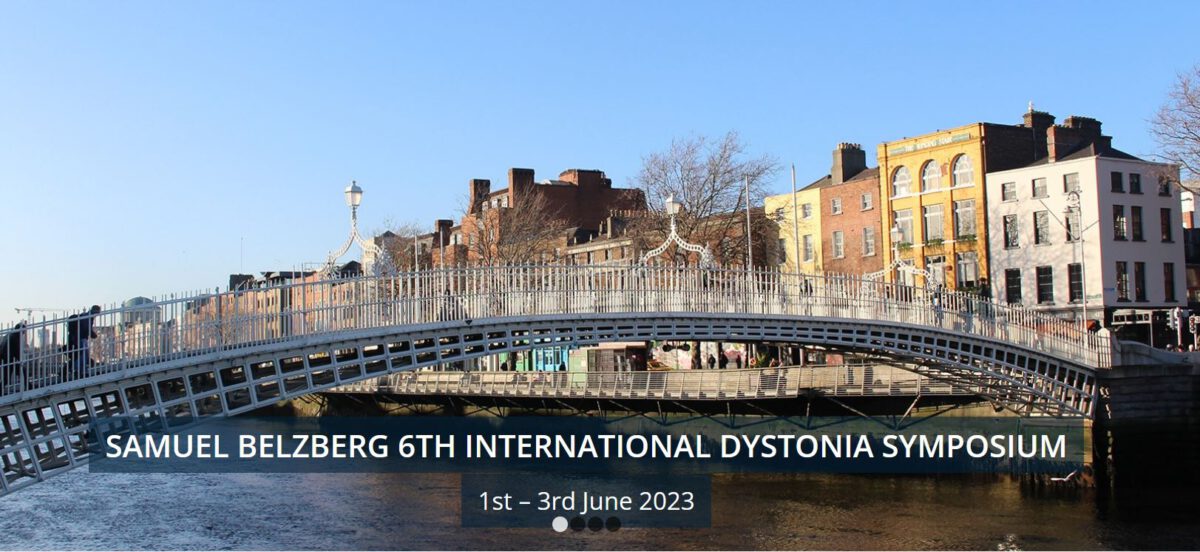
1-3 June 2023, Dublin
Hear from expert faculty as they discuss and debate cutting edge dystonia research. With over sixty speakers from sixteen countries, the Samuel Belzberg International Dystonia Symposium is perfect for researchers and clinicians at any stage of their career.
The symposium is designed to provide a comprehensive overview of important scientific advances in the field and stimulate discussion within and across disciplines.
Are you in ataxia research? The registration is now open for AGI second webinar series: iScience: AGI YII Webinar Series on Hot TopicsExplore Your Future in Ataxia Research Target audience: young investigators in the ataxia field, who we hope to give a head start in their career by introducing important aspects of various research topics. Of course, anyone who is interested is welcome to attend! New in ataxia research? Join the AGI Young Investigator Initiative: https://bit.ly/agi-yii
Towards the future of rare disease diagnostics
08.30 AM – 10.15 AM | Chair: Ana Rath
• Keynote lecture: Towards a personalised systems biomedical approach for the diagnosis and nutritional treatment of inherited metabolic diseases Ines Thiele, University of Galway
• Keynote Lecture: Hyperpersonalized therapies for the long tail of genetic disease Timothy Yu, Boston Childrens Hospital & Harvard Medical School
• The patient perspective
Gulcin Gumus, Eurordis
• SOLVE-RD 2.0 Olaf Riess, University of Tübingen
Impact of Solve-RD on research & care of rare disease patients
10.45 AM – 12.30 PM | Chair: Han Brunner & Holm Graessner
• Key SOLVE-RD achievements Holm Graessner, University of Tübingen
• Genomics reanalysis of a pan-European rare disease resource yields >500 new diagnoses Alex Hoischen, Radboud UMC & Sergi Beltran, CNAG-CRG
• Round Table: The future of rare disease diagnostics in Europe Simona Bellagambi, Eurordis | Daria Julkowska, INSERM | Christina Kyriakopoulou, European Commission, DG Research & Innovation | Milan Macek, Charles University Prague | Olaf Riess, University of Tübingen | Lisenka Vissers, Radboud UMC | Timothy Yu, Boston Childrens Hospital & Harvard Medical School
We serve cookies on this site to analyse traffic, remember your preferences, and optimise your experience.